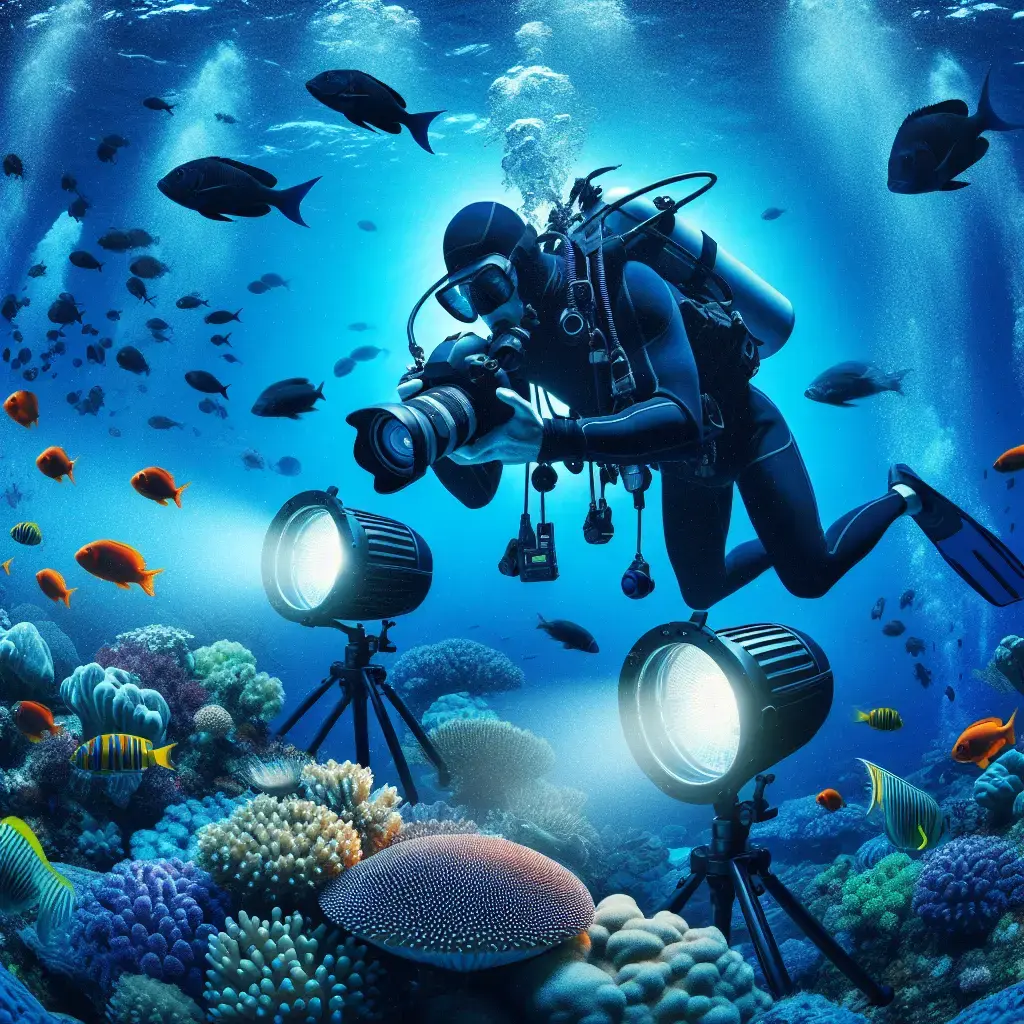
Introduction to Underwater Photography
Diving into the mesmerizing world beneath the waves reveals a vibrant tapestry of life that beckons photographers to capture its essence. Underwater photography techniques are essential for those eager to immortalize the allure of marine life through their lenses. From the intricate patterns of coral reefs to the swift movements of marine wildlife, capturing marine life requires a unique set of skills and equipment. Understanding underwater camera settings and choosing the best lenses for underwater photography can make all the difference in achieving that perfect shot.
Mastering Underwater Photography Techniques
For both professionals and enthusiasts, mastering marine photography tips is vital. Whether you're drawn to the delicate details of macro underwater photography or the sweeping vistas offered by wide-angle underwater photography, knowing how to utilize underwater lighting techniques can elevate your images from good to extraordinary. Scuba diving photography offers an unparalleled opportunity to explore the depths and discover scenes few have witnessed, but it demands a nuanced approach to underwater composition tips and an understanding of marine life behavior.
Understanding Underwater Camera Settings
Getting acquainted with underwater camera settings is the first step in refining your photography skills beneath the waves. Unlike terrestrial photography, underwater settings must compensate for light absorption and color distortion. Mastering these adjustments can greatly enhance your shots:
- White Balance: Customizing white balance is crucial to counteract the blue and green hues that dominate underwater scenes.
- ISO Settings: While higher ISO levels are often necessary due to low light, balance is key to avoid noise in your images.
- Shutter Speed and Aperture: Faster shutter speeds can freeze swift-moving marine life, while wider apertures allow more light in darker environments.
For those eager to further explore these settings, PADI's guide on underwater photography offers invaluable insights into optimizing camera configurations.
Choosing the Best Lenses for Underwater Photography
Selecting the best lenses for underwater photography can significantly impact the outcome of your images. Two primary lens types dominate this field:
Macro Lenses: Ideal for capturing the intricate details of marine life, macro lenses bring focus to tiny subjects like nudibranchs and seahorses. Their ability to magnify small details makes them perfect for macro underwater photography enthusiasts.
Wide-Angle Lenses: To capture the grandeur of coral reefs and larger marine wildlife, wide-angle lenses are essential. They allow photographers to encompass vast scenes and bring depth to their compositions.
The right lens choice can transform your scuba diving photography experiences, enabling you to encapsulate both delicate details and expansive vistas. For recommendations on the latest lens models, B&H Photo Video's selection is a reliable source for photography equipment.
The Role of Underwater Lighting Techniques
Lighting can dramatically influence the mood and clarity of underwater photographs. Here are some tips to illuminate your marine subjects effectively:
- Use Strobes or Flash: External strobes are vital in bringing out vibrant colors lost at depth. Position them at different angles to avoid backscatter.
- Natural Light Utilization: When diving at shallower depths, take advantage of natural sunlight to highlight textures in coral reefs or the swift movements of fish.
To see how professionals utilize lighting techniques, explore the Ocean Photographer of the Year finalists, where lighting plays a crucial role in each stunning image.
Enhancing Your Underwater Photography Skills
Beyond technical settings, a deep understanding of marine environments enhances your photography. This encompasses knowing marine life behavior and respecting their habitats. Quick reflexes are necessary in marine wildlife photography, where timing can make or break a shot.
Mastering Marine Photography Tips
- Observe First: Before shooting, spend time observing marine behavior. This patience often rewards photographers with unique and candid moments.
- Respect Wildlife: Maintaining a respectful distance ensures not only the safety of the photographer but also the well-being of marine life.
The Mangrove Photography Awards highlight how photographers blend technical skill with environmental awareness to capture endangered ecosystems.
Exploring Underwater Composition Tips
Composition remains a foundational element in all forms of photography, including underwater scenes:
- Rule of Thirds: This classic guideline helps create balanced images by positioning subjects along imaginary gridlines.
- Leading Lines: Utilize natural elements like coral formations or schools of fish to guide viewers' eyes through your frame.
For inspiration on composition techniques, review the works from DIY Photography's article on sea lions mapping the seabed.
Photographing Coral Reefs
Coral reefs are among the most photogenic yet challenging subjects due to their complexity and vibrancy. Here’s how you can effectively capture their beauty:
- Focus on Diversity: Highlight different coral species and their symbiotic relationships with marine life.
- Patience is Key: Wait for ideal lighting conditions or for vibrant marine life to interact with the reef.
For a case study on capturing these fragile ecosystems, National Geographic’s article on coral conservation offers both visual and educational insights.
Post-Dive: Underwater Photo Editing
Post-processing is integral in bringing out the vibrancy and detail often lost in raw underwater images. Here are some editing tips:
- Color Correction: Adjust hues to restore natural colors, particularly reds and yellows absorbed by water.
- Noise Reduction: Use software to minimize grain caused by high ISO settings.
Recent advancements like AI-powered photo enhancers can elevate image quality further, as highlighted in Time-limited free AI photo enhancer tools.
Equipping Yourself with Underwater Photography Equipment
Success in capturing marine life is heavily reliant on using the right gear. Essential equipment includes waterproof housings, strobes, and appropriate lenses. Investing in reliable brands ensures durability and performance under challenging conditions.
For cost-effective solutions, keep an eye on discounts from trusted retailers like B&H Photo Video's current deals.
Conclusion
Underwater photography is more than just a hobby; it's a journey into uncharted territories that many never witness firsthand. By mastering these techniques and staying updated with recent advancements—such as innovative competitions like the Mangrove Photo Competition and scientific initiatives involving sea lions—you can craft compelling narratives that resonate with audiences. Each dive offers a new story waiting to be told, reminding us of the beauty and fragility of our blue planet.
As you venture into underwater photography, I invite you to share your experiences, thoughts, or even your favorite techniques. Your insights can inspire others in this passionate community. Let’s keep exploring and documenting the extraordinary beauty hidden beneath the waves.
Author: Vanessa Clarke